
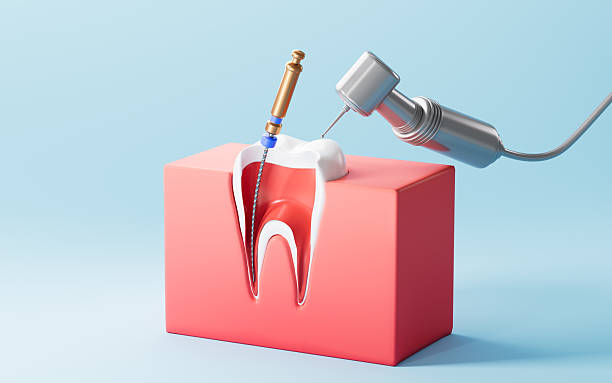
Tooth pain years after a root canal can result from persistent or recurrent infection, a crack, new decay, restoration problems, gum disease, or pain from another nearby structure. At AZ Roots Endodontics in Chandler, AZ, Dr. Brandi Molina evaluates previously treated teeth to identify the source before recommending treatment. New pain does not automatically mean you need another root canal.
If the nerve was removed, you may wonder how the tooth can hurt at all. Although root canal treatment removes pulp tissue from inside the tooth, the surrounding ligament, gum, and bone remain living tissues with sensory nerves. Inflammation or pressure in these areas can still produce pain.
When a root canal tooth hurts years later, the first question is what changed. A careful evaluation helps determine whether the problem involves the canal system, the tooth’s structure, or another source, and whether the tooth can be preserved.
Is It Normal for a Root Canal Tooth to Hurt Years Later?
New or persistent pain years after treatment is not routine postoperative healing. Pain that continues, returns repeatedly, or occurs with swelling deserves assessment. Brief discomfort does not prove endodontic failure, but a recurring pattern should not be dismissed because the tooth was treated before.
Normal Root Canal Recovery vs Pain Appearing Years Later
Some tenderness can occur shortly after root canal treatment as surrounding tissues settle. That early recovery period differs from symptoms beginning after months or years of comfort.
A new toothache should be evaluated as a current problem. Your dentist will consider what has happened since treatment rather than assuming the tooth is still healing from the original procedure.
Can a Root Canal Tooth Develop Pain After Years Without Symptoms?
Yes. A treated tooth remains exposed to the same chewing forces, oral bacteria, and gum conditions as other teeth. A new cavity, damaged restoration, fracture, or periodontal problem can develop later.
Endodontic disease can also remain quiet before becoming symptomatic. The symptom-free interval is useful history, but it does not establish the cause of new pain.
Does Pain Years Later Mean the Root Canal Failed?
No. A tooth can hurt even when its treated canals are not the source. Nearby teeth, the supporting tissues, or jaw muscles may be responsible.
The original treatment may also have worked well before a later problem allowed contamination. Neither pain nor the age of the root canal proves that the original clinician did something incorrectly.
Why Can a Tooth Hurt If the Nerve Was Removed During Root Canal Treatment?
What Happens to the Dental Pulp During Root Canal Treatment?
The pulp contains nerves, blood vessels, and connective tissue inside the tooth. Conventional root canal treatment removes diseased pulp and cleans, disinfects, and seals the canal system.
Treatment addresses the interior of the tooth. It does not remove the nerves from the tissues that hold the tooth in your jaw.
How the Periodontal Ligament and Surrounding Bone Can Still Sense Pain
The periodontal ligament connects the root to its bony socket. This ligament and nearby tissues contain sensory nerves that respond to pressure and inflammation.
If these tissues become irritated, chewing or tapping the tooth may hurt. Infection around a root tip, a fracture, or excessive biting forces can therefore cause pain without a functioning pulp inside the tooth.
Why Pain Does Not Necessarily Mean the Tooth Nerve Grew Back
New pain is not usually explained by a nerve growing back into a conventionally treated canal. Sensation from surrounding tissues or another structure is a more relevant diagnostic consideration.
This is why the clinician examines more than the old root canal filling. The location where you feel pain does not always identify the tissue causing it.
What Causes Tooth Pain Years After Root Canal Treatment?
Persistent or Recurrent Infection Around the Root Tip
Bacteria that remain within the canal system can contribute to persistent apical periodontitis, inflammation around the root tip that has not resolved. Recurrent disease describes disease that develops or returns after an apparently successful period.
Either can be painful or quiet. Comparing earlier records with current findings helps assess whether a root-end change is persistent, new, or changing. Symptoms alone cannot establish when disease began.
New Tooth Decay or Leakage Around an Existing Crown
A crown protects a tooth but does not make the underlying tooth immune to decay. New decay near its margins, a loose restoration, or a broken seal can create a pathway for bacteria to reach the interior.
This bacterial re-entry is sometimes called coronal leakage. An intact-looking crown does not rule out problems at its edges or underneath it. The restoration and the root canal system both need consideration.
A Missed or Previously Untreated Root Canal
Root canal anatomy can include narrow passages, curves, and additional canals that are difficult to locate or access. Previously untreated anatomy may harbor bacteria and contribute to persistent disease.
This possibility does not automatically establish poor care. Anatomy and clinical circumstances can be challenging. Our guide to why root canals sometimes need retreatment provides broader background on these situations.
A Cracked Tooth or Vertical Root Fracture
A crack can allow movement under chewing forces or create a pathway for bacteria. A vertical root fracture extends along the root and may be associated with localized bone loss, swelling, or a narrow, deep gum pocket.
Different cracked or fractured teeth have different outlooks. Identifying the location and extent of damage matters because retreating the canals cannot repair an irreparable fracture.
Gum Disease or Bone Loss Around the Treated Tooth
Periodontal disease affects the gum and bone supporting teeth. It can cause tenderness, bleeding, painful chewing, or mobility independently of the treated canals.
Periodontal and endodontic problems can also coexist. Your clinician assesses both rather than assuming that any bone loss near a treated tooth must originate inside the root canal system.
Excessive Biting Pressure or Occlusal Problems
Clenching, grinding, or an uneven contact can place excessive force on a tooth’s supporting tissues. A change after recent dental work may be particularly relevant to the history.
Bite adjustment is appropriate only when findings support it. Infection and fractures can produce similar pressure sensitivity, so not every tender tooth simply needs its chewing surface adjusted.
Pain Referred From Another Tooth or Nearby Structure
Pain can be felt somewhere other than its source. A nearby tooth, jaw muscle, or another facial structure may create discomfort that seems to come from the root canal-treated tooth.
Some persistent pain conditions involve altered nerve signaling rather than ongoing dental infection. If dental findings do not explain symptoms, an orofacial pain assessment or another appropriate referral may help avoid repeated treatment of the wrong source.
What Does Pain From a Failing Root Canal Feel Like?
There is no single sensation that proves a root canal has failed. These patterns help guide an examination, but each has more than one possible explanation.
Pain When Biting Down on a Root Canal Tooth
Pain with pressure may reflect inflammation around the root, a crack, or an uneven bite. Your clinician may ask whether it occurs when you bite down, release pressure, or chew on a particular part of the tooth.
Avoid repeatedly testing the tooth with hard foods. Note the pattern and describe it at the appointment.
Dull, Throbbing, or Constant Pain Around a Previously Treated Tooth
An ongoing ache may accompany inflammation in the supporting tissues. However, words such as dull or throbbing do not distinguish infection from other sources by themselves.
Tell your clinician whether pain is localized, spreads, interrupts sleep, or changes with jaw movement. These details help direct testing.
Intermittent Pain That Comes and Goes
Symptoms may fluctuate with chewing forces, inflammation, or drainage. A tooth can feel comfortable between episodes even when the underlying problem remains.
Temporary improvement does not establish recovery. Repeated episodes are worth evaluating, particularly if they are becoming more frequent or occur with swelling.
Swelling or a Gum Bump Near a Root Canal Tooth
A small bump may be the opening of a sinus tract, a drainage pathway associated with infection. Drainage can reduce pressure without eliminating the source.
Endodontic and periodontal infections can both cause localized changes. The clinician identifies where the tract or swelling originates rather than diagnosing by its appearance alone.
A Root Canal Tooth That Feels Tender or Higher When Biting
Inflammation in the periodontal ligament can make a tooth feel pressure-sensitive or as though it meets the opposing tooth first. A restoration-related contact problem can create a similar impression.
A tooth that feels “high” needs an examination. The sensation alone does not show whether the cause is mechanical, inflammatory, or both.
Can a Root Canal Become Infected Again After Five, 10, or 20 Years?
Yes. New infection can develop many years later, although many treated teeth remain comfortable and functional over the long term. The number of years since treatment does not identify the diagnosis.
Why a Previously Treated Tooth Can Develop New Infection
New decay or a damaged restoration may allow bacterial re-entry. Previously untreated anatomy can also contribute to disease that becomes apparent later.
An assessment considers the current seal, canal anatomy, and surrounding tissues. The goal is to identify a plausible source that treatment can address.
Does an Old Root Canal Have an Expiration Date?
No. Root canals do not need replacement simply because they reach a certain age. Longevity depends on the tooth’s structure, restoration, periodontal support, and disease status.
An older, healthy treated tooth may need no endodontic intervention. Decisions should be based on findings rather than a calendar milestone.
Can a Root Canal Fail Without Any Pain?
Yes. Persistent or recurrent apical disease may cause no noticeable symptoms and be detected during examination or follow-up imaging.
A finding around the root requires interpretation, including comparison with previous images when available. Lack of pain does not prove health, and an isolated image does not explain the complete clinical situation.
How Does an Endodontist Diagnose Pain Years After a Root Canal?
Reviewing the Original Root Canal and Restoration History
Your endodontist asks when treatment occurred, whether the tooth ever became comfortable, and when current symptoms began. Crowns, posts, previous retreatment, injuries, and recent dental work may affect the investigation.
Earlier radiographs and treatment records can help clarify changes. Bring available information, but do not delay seeking care for swelling or worsening symptoms while gathering records.
Testing Biting Pressure, Tenderness, and Surrounding Teeth
The examination may include gentle tapping, pressure near the root, and controlled bite testing. These tests assess the response of tissues around the tooth.
Nearby teeth may undergo cold or other pulp sensibility testing to identify another source. A conventionally root canal-treated tooth usually does not respond like a tooth with living pulp; that expected absence of response does not diagnose recurrent infection.
Checking for Cracks and Periodontal Pocketing
The clinician examines tooth structure and restorations and measures gum pockets around the roots. A localized deep pocket can raise concern about a fracture, although it is not conclusive by itself.
Cracks can be difficult to visualize. The examination may need additional imaging, closer inspection, or reassessment before the clinician can explain the prognosis confidently.
What Dental X-Rays Can Reveal About a Previously Treated Tooth
Radiographs can show the root canal filling, restoration margins, and changes in the surrounding bone. A darker area near the root tip, called a periapical radiolucency, may suggest loss of mineralized tissue associated with disease.
Comparison with older images helps establish whether an area is new, enlarging, or healing. X-rays are two-dimensional and cannot reveal every fracture or every cause of pain.
When CBCT May Help Identify the Cause of Delayed Pain
Cone beam computed tomography, or CBCT, provides three-dimensional views that can help assess complex anatomy, root-end lesions, suspected fractures, and treatment access. It may be useful when the examination and conventional images leave a question that affects treatment.
CBCT is not required for every case. Root fillings, posts, and other dense materials can distort images, and even a scan cannot reliably show every small fracture. Imaging must be justified for the individual situation.
Why Accurate Diagnosis Matters Before Another Root Canal
Retreatment targets disease within the canal system. It will not reliably resolve pain caused by a jaw muscle, periodontal disease, or an irreparable fracture.
If findings conflict, your clinician may recommend reassessment or referral before an invasive procedure. Further investigation can be an appropriate part of care when the source remains uncertain.
What Are the Treatment Options When a Root Canal Tooth Hurts Years Later?
Treatment follows the diagnosis, not pain intensity alone. A quiet tooth with disease may need treatment, while a painful tooth may need care that does not involve its canals.
When Root Canal Retreatment May Be Recommended
Root canal retreatment may address selected cases of persistent or recurrent canal-system disease. It allows the endodontist to reassess the interior, address accessible untreated anatomy, and disinfect and reseal the canals.
Suitability depends on what can be corrected and whether the tooth can be restored afterward. The existing crown or post may affect access and treatment planning.
When Apical Surgery May Be Considered
Apical surgery may be considered for selected disease around the root end when nonsurgical treatment is unsuitable, has limitations, or has not resolved the problem.
It approaches the affected area through the gum rather than only through the crown. The choice depends on the cause, anatomy, and overall prognosis.
When a Crown or Restoration Needs Attention
A loose, leaking, decayed, or damaged restoration may require repair or replacement. Your general dentist and endodontist can coordinate the restorative and endodontic parts of care.
Restorative treatment alone may be enough when the canals are healthy. When contamination has affected the canal system, simply replacing a crown may not address the whole problem.
When a Crack or Fracture Changes the Treatment Plan
A limited fracture of the crown differs from a vertical root fracture. Some structural problems can be managed with an appropriate restoration; others substantially limit tooth preservation.
The clinician considers how far damage extends and whether a dependable seal and functional restoration are possible. Repeating a root canal cannot make an irreparable fracture heal.
When Tooth Extraction May Be Necessary
Extraction may be appropriate when extensive decay, an irreparable fracture, or inadequate periodontal support makes preservation unpredictable. It is not the default response to pain in an older treated tooth.
Ask what limits the prognosis and whether reasonable tooth-preserving options remain. A useful recommendation explains both the diagnosis and the practical outlook.
Can Root Canal Retreatment Save a Tooth That Hurts Years Later?
In appropriately selected cases, yes. The outlook depends on the cause of symptoms, canal anatomy, remaining structure, restorability, and surrounding tissues.
What Root Canal Retreatment Is Designed to Correct
Retreatment addresses persistent or recurrent disease within a previously treated canal system. It may improve disinfection, reach additional anatomy, or correct a problem with the existing canal filling.
It offers a way to preserve a tooth when an addressable internal source is identified.
What Retreatment Cannot Fix
Retreatment cannot repair an irreparable vertical root fracture or replace missing periodontal support. It also does not treat referred muscle pain or other unrelated pain conditions.
That boundary matters when symptoms persist despite apparently adequate treatment. More dental intervention is helpful only if it addresses the actual source.
Why an Endodontist Evaluates Prognosis Before Retreatment
The endodontist considers access, existing restorations, possible fractures, and the root-end tissues. The ability to restore and maintain the tooth matters alongside the ability to retreat its canals.
Discuss expected benefits, limitations, alternatives, and follow-up before deciding. A preservation plan should consider the whole tooth.
Can Apical Surgery Help When Pain Returns After a Root Canal?
Apical surgery can help selected teeth with persistent disease near the root tip. An apicoectomy generally removes affected root-end tissue and the root tip, with a root-end filling used when appropriate to seal the canal.
It is not automatically better than nonsurgical retreatment and does not correct every source of delayed pain. Your endodontist considers whether a surgical approach can address the identified problem while preserving a functional tooth.
What Happens If You Ignore Pain in a Root Canal-Treated Tooth?
The consequences depend on the cause. Recurrent infection may produce worsening inflammation or swelling. A crack may extend, and periodontal disease may damage additional supporting tissues. Decay can reduce the tooth structure available for restoration.
Not every delayed toothache becomes a severe infection. However, postponing an evaluation leaves the source unknown and may allow a treatable problem to become harder to manage. Improvement between episodes does not establish that treatment is unnecessary.
When Is Pain Years After a Root Canal an Emergency?
Arrange prompt dental assessment for persistent or worsening pain, drainage, swelling, or significant difficulty chewing. Severe uncontrolled pain or new swelling calls for urgent attention.
Rapidly spreading facial or neck swelling, fever, or feeling systemically unwell requires urgent assessment. Difficulty breathing or swallowing warrants immediate emergency medical care.
Antibiotics may be prescribed when infection spreads or systemic involvement develops, but they do not replace treatment of an infected canal system. Our guide to antibiotics and root canal infections explains that distinction.
Can a Root Canal-Treated Tooth Last for Life?
It can, but lifetime survival is not guaranteed. Long-term function depends on adequate endodontic treatment, a sound final restoration, sufficient remaining structure, healthy periodontal support, and ongoing dental care.
Regular examinations help monitor the restoration and supporting tissues. If grinding or clenching contributes to excessive forces, your dentist can discuss appropriate management. A root canal treats internal disease; continuing care protects the tooth as a whole.
Why See an Endodontist for Pain in a Previously Treated Tooth?
Evaluating Complex Root Canal Anatomy and Previous Treatment
An endodontist’s specialty training focuses on pulp and root-end disease, including previously treated teeth. Assessment considers the existing canal system and whether an internal problem can be addressed.
Distinguishing Infection From a Tooth Fracture
Infection and fractures can produce overlapping symptoms. Distinguishing them may substantially change the recommendation, particularly when a fracture limits restorability.
A specialist evaluation helps clarify the evidence and any remaining uncertainty before treatment is selected.
Determining Whether Retreatment or Apical Surgery Is Appropriate
The choice depends on the source of disease, access to the canals, root anatomy, and structural prognosis. Sometimes the appropriate next step is restorative or periodontal care rather than another endodontic procedure.
The goal is a plan that gives the natural tooth a reasonable chance of remaining functional.
Root Canal Retreatment Evaluation at AZ Roots Endodontics in Chandler, AZ
If you are considering root canal retreatment in Chandler, an evaluation can establish whether that treatment fits the problem. Dr. Brandi Molina assesses previously treated teeth with new or recurrent symptoms at AZ Roots Endodontics.
Bring questions about the cause, the tooth’s restorability, and alternatives. Understanding why a tooth hurts is the first step toward choosing appropriate care and preserving it when feasible.
Frequently Asked Questions About Pain Years After a Root Canal
Why does my root canal tooth hurt after 10 years?
Possible causes include recurrent infection, new decay, a damaged restoration, a fracture, gum disease, or referred pain. Ten years is not an expiration date for root canal treatment. An examination and appropriate imaging help determine what changed and whether the tooth needs endodontic, restorative, periodontal, or another type of care.
Can a root canal tooth become infected years later?
Yes. New decay or restoration breakdown may allow bacteria to re-enter the tooth, and previously untreated anatomy may contribute to disease. However, pain alone cannot establish infection. Your endodontist evaluates the tooth, its restoration, and surrounding tissues before recommending a treatment directed at the canal system.
Why does my root canal tooth hurt when I bite down?
Pressure sensitivity can come from inflammation around the root, excessive biting forces, a crack, or periodontal disease. The ligament surrounding the tooth can still sense pain after pulp removal. Controlled bite tests, an examination, and imaging help distinguish these possibilities; biting pain does not automatically mean retreatment is needed.
Can a root canal fail after 20 years?
New disease can affect a treated tooth after 20 years, but treatment does not expire at that point. A fracture, decay, or loss of the restoration’s seal may change the tooth’s condition. Evaluation focuses on current findings and whether the cause can be addressed while preserving a restorable tooth.
Does pain years later always mean the root canal failed?
No. The pain may originate in the supporting tissues, restoration, another tooth, or a nearby structure such as a jaw muscle. Even when recurrent canal disease is present, it may follow a later problem rather than an error in the original treatment. Diagnosis should come before decisions about retreatment.
Can a crown cause pain in a root canal-treated tooth?
A loose or damaged crown, recurrent decay, or an uneven bite contact can contribute to pain. Leakage may also permit bacterial contamination. An examination helps determine whether the restoration needs attention and whether the canal system is involved. Replacing the crown alone is appropriate only when it addresses the identified problem.
Can a cracked root canal tooth be saved?
Sometimes. The outlook depends on the crack’s location, depth, and effect on the remaining tooth and supporting tissues. A limited crown fracture differs from an irreparable vertical root fracture. Your clinician assesses whether a durable restoration is possible; retreatment alone cannot repair structural damage that makes the tooth unsalvageable.
Can antibiotics fix an infected root canal tooth?
Antibiotics alone generally do not eliminate the source inside an infected canal system. Definitive dental treatment may involve retreatment, apical surgery, or extraction when preservation is not feasible. Antibiotics may be added for spreading infection, systemic illness, or relevant medical circumstances. Their use depends on an individual clinical assessment.
Can a root canal be redone after many years?
Yes, when the tooth is suitable for retreatment. Age of the original treatment is only one part of the history. Canal access, restorations or posts, fractures, periodontal support, and the ability to correct an internal problem all affect the recommendation. Some teeth are better managed with another approach.
Is apical surgery better than retreatment for an old root canal?
Neither is automatically better. Nonsurgical retreatment addresses the canal system through the tooth, while apical surgery approaches a selected root-end problem through the surrounding tissues. The choice depends on the diagnosis, anatomy, access, and overall prognosis. The age of the root canal does not determine the preferred option.
What if my root canal tooth hurts but the X-ray looks normal?
A normal-looking X-ray does not rule out every source of pain. Early inflammation, small fractures, bite problems, or pain from another structure may not be apparent. Clinical testing, comparison images, selective CBCT, or referral may help. Additional invasive treatment should follow a supported diagnosis rather than pain alone.
When should I see an endodontist for pain in an old root canal?
Seek an evaluation when discomfort persists, recurs, worsens, or affects chewing, particularly if your dentist suspects a canal-related problem. Swelling or drainage warrants prompt attention. Rapidly spreading swelling or systemic illness requires urgent assessment, and difficulty breathing or swallowing calls for immediate emergency medical care rather than a routine appointment.
Schedule a Root Canal Retreatment Evaluation in Chandler, AZ
New pain, recurrent swelling, or chewing discomfort in a previously treated tooth deserves an explanation. Dr. Brandi Molina and the team at AZ Roots Endodontics in Chandler, AZ, provide specialist evaluation focused on identifying the cause and preserving natural teeth when appropriate.
Schedule an endodontic evaluation to understand what is happening and which treatment, if any, fits your tooth.
