
Sports drinks are popular among athletes and active individuals, but many people don’t realize how these beverages can affect their teeth. While sports drinks can help replenish electrolytes lost during physical activity or hot summer days, they can also threaten oral health. How Do Sports Drinks Affect Teeth? Sports drinks are often high in sugar… Read More
We have some fantastic news for all our patients and neighbors with a sweet tooth! It might sound surprising, but the team at our Chandler dental office says you can eat chocolate – for your smile’s sake! But before you rush out to buy candy bars, remember not all chocolate is the same. Dark Chocolate:… Read More
Thanks to 3D dental technology, the landscape of dental care is undergoing a transformation. This innovative approach enhances the precision of dental procedures and significantly improves the patient experience. From diagnosis to treatment, 3D technology is setting new standards in dental care. Understanding 3D Dental Technology 3D dental technology refers to various advanced tools and… Read More
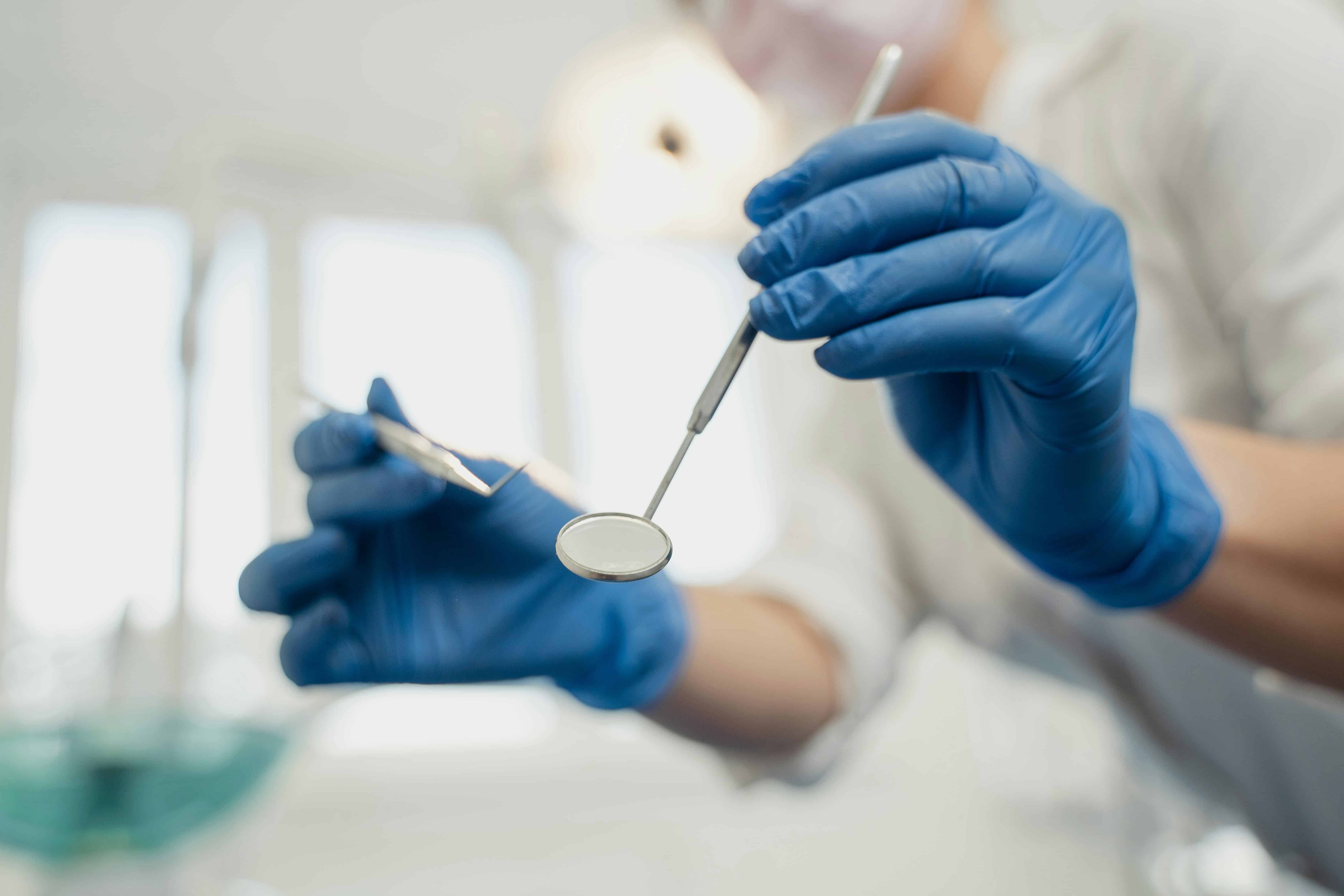
Experiencing tooth pain can disrupt your daily activities and significantly impact your quality of life. Knowing how to effectively manage tooth pain and understanding when to seek professional help are key to restoring your comfort and health. If you’re struggling with dental pain, it’s essential to consult a dentist in Chandler for help. Common Causes… Read More
Deciding to straighten your teeth as an adult can be a transformative journey, not just for your smile but for your overall dental health and self-esteem. Thanks to advancements in dental technology, several forms of adult orthodontics can improve the overall look and functionality of your smile. Benefits of Adult Orthodontics Health Improvements: Aligned teeth… Read More
Maintaining healthy teeth and gums goes beyond regular brushing and flossing; it also involves making smart dietary choices. Our Chandler dental office encourages patients to consider how their diet affects their dental health. This guide will help you understand the relationship between what you eat and your oral health and why it matters. Nutritional Foundations… Read More
When it comes to sports, safety should always be a top priority. Whether you’re a seasoned athlete or a weekend warrior, the risk of injury is always present. One crucial aspect of sports safety that often goes overlooked is the protection of our teeth. That’s where sports mouthguards come into play, offering a vital shield… Read More
Teeth grinding, also known as bruxism, is a common condition that can lead to various dental problems and discomfort. It often occurs unconsciously, especially during sleep, but can also happen during the day due to stress or anxiety. While occasional teeth grinding may not cause significant harm, chronic grinding can lead to severe dental issues… Read More
A radiant smile is often considered a universal symbol of confidence and well-being. However, achieving that perfect smile may require more than just daily brushing and flossing. For those seeking a comprehensive transformation, a smile makeover in Chandler can be the answer. There are various procedures involved in a smile makeover, so let’s take a… Read More
If you’re missing a few teeth, the quest to regain your smile’s function may lead you to explore various dental solutions. One option gaining popularity is All on 4 dental implants. This advanced dental procedure has emerged as a promising alternative to traditional dentures, offering enhanced stability and a more natural feel. But what exactly… Read More