
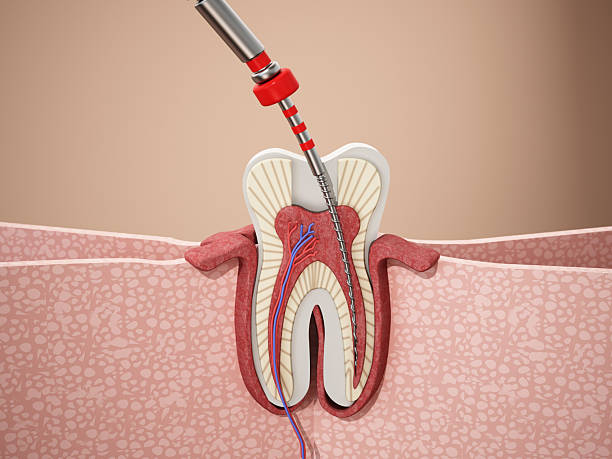
Root canal treatment can often be completed in one appointment lasting around 60–90 minutes, although some cases take longer or require a second visit. The time needed depends on the tooth’s anatomy, number of canals, infection, and whether it has been treated before. A front tooth with straightforward canal anatomy may take less time than a molar with several canals or more complex anatomy.
If you’re planning a root canal in Chandler, AZ, knowing what to expect can make scheduling feel more manageable. At AZ Roots Endodontics, Dr. Brandi Molina provides specialized care focused on preserving your natural teeth. Your endodontist can assess your tooth and explain the expected timeline for your root canal therapy, including whether treatment may involve more than one appointment.
How Long Does a Root Canal Usually Take?
A root canal often takes around 60–90 minutes, and many cases can be completed in one treatment appointment. Some teeth require more time or a second visit, depending on their anatomy, condition, and treatment needs. Your endodontist can give you a more specific estimate after examining your tooth.
It also helps to distinguish time spent treating the tooth from the total time you’ll spend at the office. Evaluation, imaging, numbing, preparation, and aftercare instructions can all add to your visit.
How Long Is the Actual Root Canal Procedure?
The active treatment involves creating an opening to reach the canals, cleaning and shaping them, disinfecting the space, and filling and sealing it. Each part requires careful attention, and the time needed varies from tooth to tooth.
A tooth with straightforward canals may fit within the usual appointment window. Narrow, curved, or difficult-to-locate canals can take longer to treat thoroughly. Previously treated teeth may also require additional time.
For a closer look at these treatment stages, our root canal procedure guide explains what happens during care.
How Long Should You Plan to Be at the Endodontist?
Allow time for the full appointment, rather than planning around the procedure estimate alone. Your visit may include:
- Reviewing your symptoms and medical history.
- Examining the tooth and taking diagnostic images.
- Giving local anesthesia and allowing the area to become numb.
- Preparing the tooth and completing treatment.
- Reviewing aftercare instructions and any next appointments.
A consultation completed beforehand may change how much evaluation is needed on treatment day. Appointment length can also vary if your endodontist needs additional imaging or discovers more complex anatomy.
When scheduling with AZ Roots Endodontics, ask how much time to reserve for your visit and whether evaluation and treatment are planned for the same day. That estimate can help you arrange work, transportation, or other commitments without feeling rushed.
Why Do Some Root Canals Take Longer Than Others?
Root canal treatment takes different amounts of time because teeth do not have identical internal anatomy. Even two teeth in the same position can have different canal shapes, sizes, or branching patterns. The condition of the tooth and any previous dental work also influence how much time your endodontist needs.
A longer appointment does not necessarily mean something is wrong. It may simply reflect the careful work needed to treat your tooth’s particular anatomy.
The Number of Root Canals Inside the Tooth
Each tooth has one or more roots that anchor it in the jaw. Inside the tooth, the pulp chamber connects to a root canal system containing nerves, blood vessels, and other soft tissue. One root does not always mean one canal: a single root may contain multiple canals, and canals can divide or join.
Having more canals generally means more treatment time. Your endodontist needs to locate the main canals, then carefully clean, shape, disinfect, and fill them. Additional canals or unexpected branching can make that work more involved.
This is one reason an appointment estimate may change after imaging or once treatment begins. The full complexity of the canal anatomy is not always apparent at the initial examination.
Front Teeth vs Premolars vs Molars
The type of tooth offers a useful starting point for estimating treatment time, though it cannot determine the timeline by itself.
- Front teeth, also called anterior teeth, commonly have simpler canal anatomy and may take less time to treat.
- Premolars, located between the front teeth and molars, vary in their number of roots and canals. Some are straightforward, while others require more time.
- Molars, the back teeth used for chewing, frequently have several canals and more complex canal systems. Treating each canal can make these appointments longer.
These are general patterns rather than fixed rules. A front tooth with a narrow or sharply curved canal may take longer than a molar with accessible, straightforward canals.
Curved, Narrow, or Calcified Root Canals
Canal shape and width affect how easily your endodontist can reach and treat the space inside a tooth. Narrow canals leave less room for instruments, while curved canals require careful navigation during cleaning and shaping.
Some canals also become smaller as hard tissue builds up inside the tooth, a process called calcification. This can make canal openings and pathways harder to locate.
These features may require additional time to identify the canal, follow its path, and treat it while preserving surrounding tooth structure. If the anatomy is difficult to see, additional imaging may also help guide treatment planning.
The Extent of Pulp Inflammation or Infection
The condition of the dental pulp, the soft tissue inside the tooth, can affect the treatment plan. Pulpitis means the pulp is inflamed. Pulp necrosis means that tissue has died, and infection may also affect the periapical tissues—the tissues surrounding the root tip.
These diagnoses do not come with a fixed appointment length. Your endodontist considers the examination, imaging, and findings during treatment to decide how much time is needed.
For example, persistent drainage from a canal may make it appropriate to place medication inside the tooth and complete treatment at another visit. An infected tooth does not automatically require multiple appointments, however. Many can be treated in one visit when the clinical conditions allow it.
Previous Dental Work Can Affect Treatment Complexity
Crowns and large restorations can change the visible shape of a tooth or cover landmarks that help your endodontist locate the pulp chamber. Planning and creating access through an existing restoration may therefore take additional time.
Previous dental work may also have altered the tooth’s internal anatomy. A post extending into a canal can further complicate access, although posts are usually associated with teeth that have already received root canal treatment.
If your tooth has previously undergone root canal therapy, the timing considerations are different. Our root canal retreatment guide explains how prior treatment can affect the care needed and the expected appointment timeline.
Can a Root Canal Be Completed in One Appointment?
Many root canal treatments can be completed in one appointment, but some cases require additional visits. The decision depends on the diagnosis, canal anatomy, infection-related findings, treatment complexity, and your endodontist’s clinical judgment.
Your initial evaluation helps establish the expected timeline. Findings during treatment may also affect whether it is appropriate to finish that day.
When One-Visit Root Canal Treatment May Be Possible
One appointment may be enough when the canals can be located, accessed, and thoroughly treated within the scheduled visit. Straightforward anatomy can make this more achievable, although tooth type alone does not determine whether treatment can be completed in one session.
Your endodontist also considers the tooth’s condition and how treatment progresses. The goal is to complete care thoroughly, with a timeline suited to your tooth.
Why Would a Root Canal Need Two or More Visits?
An additional appointment may be recommended when your tooth needs more time or care than one visit allows. Reasons can include:
- Complex anatomy: Extra canals, branching, or significant curvature may require more time to treat.
- Difficult canal access: Narrow or calcified canals can take longer to locate and navigate.
- Findings during treatment: Unexpected anatomy or other clinical findings may change the original plan.
- Infection-related considerations: Persistent drainage or other findings may make medication inside the tooth and a later completion visit appropriate.
- Additional management: Your endodontist may need to reassess the tooth’s response before completing treatment.
When treatment is divided between visits, a temporary filling generally closes the tooth between appointments. Your endodontist will explain what remains to be done and when you should return.
Does Needing Two Visits Mean Something Went Wrong?
No. Needing two visits does not, by itself, mean something went wrong or that treatment has failed. Multiple appointments can be a planned approach based on your tooth’s needs. They can also become appropriate when your endodontist discovers something that requires additional attention.
If another visit is recommended, ask what it will involve and how it affects your timeline. Understanding the reason can help you feel more comfortable with the plan and prepare for completing treatment.
How Long Does a Front Tooth Root Canal Take?
A front tooth root canal may take around 60 minutes, though some cases need longer. Front teeth commonly have fewer canals and relatively straightforward anatomy, which can reduce the time needed to clean, disinfect, and seal the canal system.
That estimate is a general guide. Narrow, curved, or calcified canals can make a front tooth more time-consuming to treat. Your endodontist can provide a more useful appointment estimate after examining the tooth and reviewing diagnostic images.
How Long Does a Molar Root Canal Take?
A molar root canal may take around 90 minutes or longer, depending on the tooth’s anatomy and condition. Some cases require a second appointment to complete treatment.
Molars commonly have multiple roots and canals, giving your endodontist more spaces to locate, clean, disinfect, and seal. Additional canals, branching, or difficult-to-find canal openings can increase treatment time. Their position at the back of the mouth can also make access more challenging, particularly when mouth opening is limited.
Your endodontist will assess these factors when estimating your appointment length. A longer visit allows time for the careful treatment your tooth needs.
Does a Root Canal Retreatment Take Longer Than the First Root Canal?
Root canal retreatment can take longer than initial treatment, though the appointment length depends on the tooth and the reason it needs further care. Your endodontist must evaluate the previous treatment, and existing root canal filling materials, crowns, or posts may need to be removed or managed to reach the canals.
These additional considerations can increase treatment time or make more than one visit appropriate. After examining your tooth, your endodontist can explain the expected schedule.
Read What Happens During Root Canal Retreatment? for a closer look at the process.
Does an Emergency Root Canal Take Longer?
An emergency root canal does not necessarily take longer than a scheduled root canal. “Emergency” describes how urgently the tooth needs attention, rather than a specific procedure length.
The time needed depends on the diagnosis, affected tooth, canal anatomy, and infection-related findings. Your endodontist also considers the immediate treatment goals: whether the visit will focus on addressing the urgent problem or completing root canal treatment.
In some cases, treatment can be completed during the emergency appointment. In others, initial care addresses the immediate concern, and another visit is scheduled to finish treatment. After evaluating your tooth, your endodontist can explain what is planned for that day and how much time to allow.
What Happens During the Time You’re in the Treatment Chair?
Your appointment includes preparation, treatment, and closing the tooth. The time spent on each part depends on your tooth’s needs.
Diagnosis and Imaging
Your endodontist examines the tooth and reviews diagnostic images to understand the problem and plan treatment. If evaluation took place at an earlier visit, this portion may be shorter. Additional imaging may be needed to clarify complex anatomy.
Local Anesthesia and Tooth Isolation
Local anesthesia numbs the area, and your endodontist allows time for it to take effect before beginning. A protective sheet called a dental dam isolates the tooth and helps keep saliva away during treatment.
Cleaning and Shaping the Root Canal System
Your endodontist accesses the inside of the tooth, removes the affected pulp tissue, and carefully cleans and shapes the canals. This often accounts for a substantial part of treatment time, especially when canals are numerous, narrow, or curved.
Disinfection and Filling the Canals
Disinfection takes place throughout canal cleaning and preparation. Once the canals are ready, your endodontist fills and seals them. If medication or further care is needed before filling, this stage may be completed at another appointment.
Temporary or Definitive Closure as Appropriate
The opening in the tooth is closed with a temporary or definitive filling, depending on the treatment plan. This closure is separate from any final crown or other restoration your general dentist may need to provide. Before you leave, your team explains the next steps.
How Long After a Root Canal Can You Return to Normal Activities?
Many patients can return to work, school, or light routine activities the same day after root canal treatment with local anesthesia. You can usually leave the office once treatment is finished and your team has reviewed your instructions, although your comfort level may affect your plans.
Numbness can last for several hours after the appointment. Wait until it wears off before eating to avoid accidentally biting your cheek or tongue. If your job involves frequent speaking, lingering numbness may also make returning immediately less practical.
If you receive sedation or take medication that causes drowsiness, your transportation and activity instructions will differ. Follow your endodontist’s individual guidance, and allow some flexibility in your schedule if you need time to rest.
Should You Set Aside Extra Time for Your First Endodontic Appointment?
Ask how much time to reserve for your first visit, since a consultation and a treatment appointment may have different schedules. Your first appointment may focus on evaluating the tooth, or it may include treatment when appropriate.
Your endodontist may need time to review your dentist’s referral information, discuss your symptoms, perform a clinical examination, and take diagnostic images. These findings help establish a diagnosis and guide treatment planning, including the estimated procedure length and number of visits.
When scheduling with AZ Roots Endodontics, confirm whether your appointment is for evaluation, treatment, or both. Our New Patients page can help you prepare and understand what information to bring.
Root Canal Treatment Time at AZ Roots Endodontics in Chandler, AZ
At AZ Roots Endodontics, your treatment timeline starts with understanding your tooth’s needs. Dr. Brandi Molina evaluates the diagnosis, root canal anatomy, and factors that could make treatment more complex. That assessment helps guide the appointment length and whether care can be completed in one visit.
As an endodontist in Chandler, AZ, Dr. Molina specializes in treating problems inside the tooth, including cases with challenging anatomy or previous treatment. The focus is on careful, individualized care that supports natural tooth preservation.
If you’re planning root canal treatment in Chandler, our team can help you understand how much time to reserve and what your appointment will involve. Whether your root canal therapy is straightforward or requires additional visits, knowing the plan can make it easier to fit care into your schedule.
FAQs About Root Canal Treatment Time
Can a root canal be done in one visit?
Yes, many root canals can be completed in one visit. Whether that is appropriate depends on the tooth’s anatomy, diagnosis, and findings during treatment. Your endodontist can estimate the number of appointments after evaluating your tooth, although the plan may change if additional care is needed.
Why would a root canal take two appointments?
Two appointments may be recommended for complex anatomy, difficult-to-access canals, or infection-related findings that need additional management. Sometimes medication is placed inside the tooth before treatment is completed at a later visit. A second appointment can be an intentional clinical decision and does not, by itself, mean something went wrong.
How long does a molar root canal take?
A molar root canal may take around 90 minutes or longer, and some cases require another visit. Molars commonly have several canals that each need careful treatment. Narrow canals, curvature, difficult-to-find openings, and access at the back of the mouth can increase the time needed.
Do front tooth root canals take less time?
Front tooth root canals often take less time because these teeth commonly have fewer canals and simpler internal anatomy. However, that is a general pattern rather than a guarantee. A front tooth with a curved, narrow, or calcified canal may require additional time or more than one appointment.
How long does a root canal appointment take from start to finish?
Many root canal appointments last roughly 60–90 minutes, but longer visits may be needed. Your total office time can also include evaluation, diagnostic imaging, numbing, preparation, and aftercare instructions. Ask the office how much time to reserve and whether your visit includes both consultation and treatment.
Does a complicated root canal take longer?
Yes, a complicated root canal can take longer because the canals may require more time to locate, access, and treat. Additional canals, sharp curves, calcification, and existing restorations can all affect the timeline. Your endodontist will assess these factors and explain whether a longer appointment or additional visits may be appropriate.
Can I go back to work after a root canal?
Many patients can return to work the same day after treatment with local anesthesia. Your comfort, job duties, and lingering numbness may affect that decision. If you receive sedation or take medication that causes drowsiness, follow your care team’s transportation and activity instructions. Allow flexibility if you need time to rest.
Does root canal retreatment take longer?
Retreatment can take longer because your endodontist must evaluate the previous treatment and manage existing filling materials or restorations to reach the canals. The reason for retreatment and the tooth’s anatomy also affect appointment length. Your endodontist can explain the expected timeline after examining the tooth and reviewing diagnostic images.
Schedule Root Canal Treatment With a Chandler, AZ Endodontist
If you’ve been told you may need root canal treatment, knowing what to expect can make planning easier. An endodontic evaluation can help identify which tooth is causing the problem, assess its canal anatomy, and determine what treatment may involve—including how much time to reserve.
Dr. Brandi Molina and the team at AZ Roots Endodontics provide compassionate, specialized care focused on preserving your natural teeth. Contact our Chandler, AZ office to schedule an evaluation and discuss your treatment options and expected timeline.
